
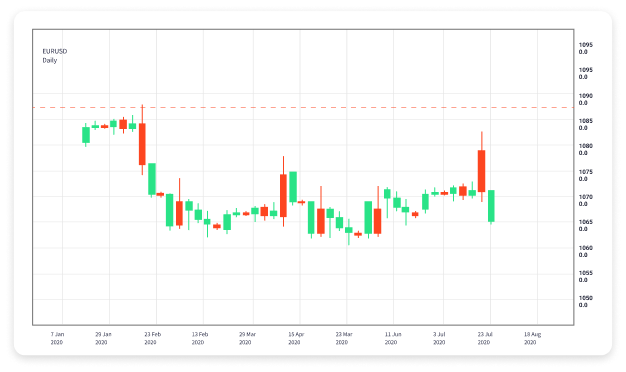
The Dynamics of Forex Currency Market Trading
The foreign exchange market, or forex, is the largest and most liquid financial market in the world, where currencies are traded against one another. Understanding the fundamentals of forex currency market trading MT5 Forex Brokers, market structure, and trading strategies can significantly enhance your trading experience. This article will delve into the essential components that govern forex trading, providing you with insights on successfully navigating this dynamic market.
Understanding the Forex Market
The forex market operates 24 hours a day, five days a week. It involves the exchange of currencies in various forms, primarily through major currency pairs such as EUR/USD, USD/JPY, and GBP/USD. The forex market is not centralized, meaning that it does not have a physical location; instead, trading occurs over-the-counter (OTC) through a network of banks, brokers, and financial institutions globally.
Key Participants in the Forex Market
Several key participants operate within the forex market, each serving a unique role:
- Central Banks: They influence currency values through monetary policy and interventions.
- Commercial Banks: These institutions facilitate the majority of forex transactions and provide liquidity to the market.
- Hedge Funds and Investment Managers: They engage in speculative trading to generate profits.
- Retail Traders: Individual traders who participate in the forex market for personal gain.
Currency Pairs and Quotations
Currencies are traded in pairs, which can be categorized into three main types:
- Major Pairs: These include the most traded currencies, typically involving the USD.
- Minor Pairs: Less commonly traded pairs that do not include the USD.
- Exotic Pairs: These consist of one major currency and one currency from a developing economy.
Quotations in the forex market usually come in two forms: direct and indirect. A direct quote provides the value of one unit of foreign currency in terms of the domestic currency, whereas an indirect quote offers the amount of foreign currency needed to purchase one unit of the domestic currency.
Forex Trading Strategies
Successful forex trading requires a well-defined strategy. Some popular trading strategies include:
- Scalping: This involves making numerous trades throughout the day to profit from small price changes.
- Day Trading: A strategy where traders open and close positions within the same day, aiming to capitalize on short-term market movements.
- Swing Trading: This strategy involves holding positions for several days to benefit from expected price swings.
- Position Trading: Long-term trading aimed at capitalizing on fundamental analysis and broader market trends.
Risk Management in Forex Trading
Effectively managing risk is crucial in forex trading. Traders often employ several techniques to protect their capital:
- Setting Stop-Loss Orders: These orders automatically close a position when the market reaches a predetermined level, limiting potential losses.
- Diversification: Spreading investments across various currency pairs can reduce risk exposure.
- Using Leverage Wisely: While leverage can amplify profits, it also increases risk, requiring traders to use it judiciously.
The Influence of Economic Indicators
Economic indicators play a significant role in influencing currency values. Key indicators include:
- Gross Domestic Product (GDP): Measures a country’s economic performance and influences currency value.
- Employment Data: Statistics such as unemployment rates provide insights into economic health.
- Inflation Rates: Central banks monitor inflation to set interest rates, affecting currency strength.
- Trade Balance: A country’s balance of trade can impact currency supply and demand.
Technical Analysis vs. Fundamental Analysis
Traders often rely on two primary forms of analysis to make informed decisions: technical and fundamental analysis.
Technical Analysis
This analysis focuses on historical price data and market trends. Traders use various tools such as charts, indicators, and patterns to predict future price movements.
Fundamental Analysis
Fundamental analysis evaluates economic, political, and social factors influencing currency value. Analysts consider factors such as interest rates, economic reports, and geopolitical events to forecast price movements.
The Role of Brokers in Forex Trading
The choice of broker significantly affects the trading experience. Forex brokers facilitate trading by providing access to the market and offering trading platforms. When selecting a broker, consider the following:
- Regulation: Ensure that the broker is regulated by a recognized financial authority.
- Spreads and Fees: Compare the spreads offered by different brokers, as lower spreads can enhance profitability.
- Trading Platforms: Choose a platform that meets your trading needs, such as MT4 or MT5.
- Customer Support: Reliable customer service is essential for addressing queries and issues that may arise.
Conclusion
The forex currency market offers a unique opportunity for traders to engage in a dynamic and lucrative environment. By understanding the market structure, participants, trading strategies, and the importance of risk management, you can significantly enhance your trading skills. Remember, success in forex trading requires continual learning and practice, as the market is ever-evolving.


